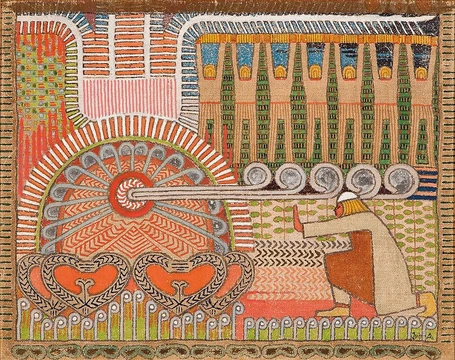
Hippolytus of Athens
Son of Theseus, destroyed by horses after spurning Aphrodite.
Hippolytus of Athens is a figure from Greek mythology, the son of Theseus and an Amazon (either Hippolyta or Antiope). His story, most famously dramatized by the playwright Euripides, centers on his downfall at the hands of the goddess Aphrodite after he spurned her worship in favor of the virgin goddess Artemis. The myth explores themes of chastity, revenge, and tragic misunderstanding, and it has been retold by numerous later authors.
- born
- Not specified
- died
- Killed by a sea-monster sent by Poseidon
- field
- Greek mythology
- nationality
- Athenian (mythological)
- known_for
- Rejecting Aphrodite, being falsely accused by his stepmother Phaedra, and dying in a chariot accident
Lore & Background
Artemis later reconciled father and son by revealing the truth, and she comforted the dying Hippolytus with a promise to make him the subject of religious practice so his memory would live forever. She assigned a band of Trozenian maidens to preserve the story in a ritual song. In a later version, Hippolytus was brought back from the dead by Asclepius, refused to forgive Theseus, went to Italy, became king of the Aricians, and ruled as 'Virbius' from inside the shrine of Diana. The sanctuary forbade horses from entering, which is why he was believed to live there.
Reader's Guide
Hippolytus of Athens is significant primarily through Euripides' tragedy 'Hippolytus,' which established the archetypal narrative of a chaste youth destroyed by divine vengeance and false accusation. The myth's enduring power is evident in its numerous adaptations by later writers, including Seneca the Younger, Ovid, Jean Racine, and Thomas Sturge Moore. The story also became linked to the cult of Diana Nemorensis in Italy, where Hippolytus was assimilated to the figure Virbius. In this cult, followers cut off a piece of their hair to dedicate their chastity to him before marriage. The etymology of his name—'destroyed by horses'—is ironically prophetic, as his death resulted from a chariot accident caused by horses. The myth explores themes of sexual purity, the conflict between different divine powers, and the tragic consequences of misunderstanding and revenge. Hippolytus' legacy includes the 'Phaedra complex' in psychology, referring to a stepmother's sexual attraction to her stepson.
Did You Know?
- The name Hippolytus means 'destroyed by horses,' which is ironic given his death in a chariot accident.
- In one version of the myth, Hippolytus was resurrected by Asclepius and later became the king of the Aricians in Italy under the name Virbius.
- The sanctuary of Diana Nemorensis, where Hippolytus ruled as Virbius, forbade horses from entering.
- Followers of Hippolytus' cult cut off a piece of their hair to dedicate their chastity to him before marriage.
Frequently Asked Questions
Who is Hippolytus of Athens?
He is a mythological Athenian hunter, the son of Theseus and an Amazon queen (named either Hippolyta or Antiope depending on the telling). He is best known for his devotion to Artemis and his fatal conflict with Aphrodite.
What is Hippolytus's role or domain in Greek mythology?
He serves as a mortal hunter and devoted follower of Artemis, embodying chastity and the outright rejection of romantic or sexual love. He possesses no divine powers of his own; his significance lies in his personal virtue and his opposition to Aphrodite's sphere.
How does Hippolytus's story end?
After his stepmother Phaedra falsely accuses him of assault, Theseus curses him, and he is killed when his chariot horses go berserk—often described as being driven mad by a sea-monster sent by Poseidon. His death is thus a catastrophic chariot accident that destroys him.
Why is Hippolytus important in Greek mythology?
His tale, most famously dramatized by Euripides, explores divine revenge, chastity, and tragic misunderstanding, making him one of the most frequently retold figures in Greek tragic literature. He stands as a cautionary example of the consequences of offending the gods, especially Aphrodite.
What caused Hippolytus's downfall?
His rejection of Aphrodite's worship in favor of Artemis provoked the goddess's wrath, which she executed by making his stepmother Phaedra fall in lust with him. When Phaedra's seduction failed and she died, her dying accusation led Theseus to curse Hippolytus, sealing his fatal fate.
More in Mythological hunters 1-24
Spotted an error? Know more?
This is a living reference — every entry is fact-audited, and reader corrections feed straight into our audit queue. Suggest an edit · See this site's audit record